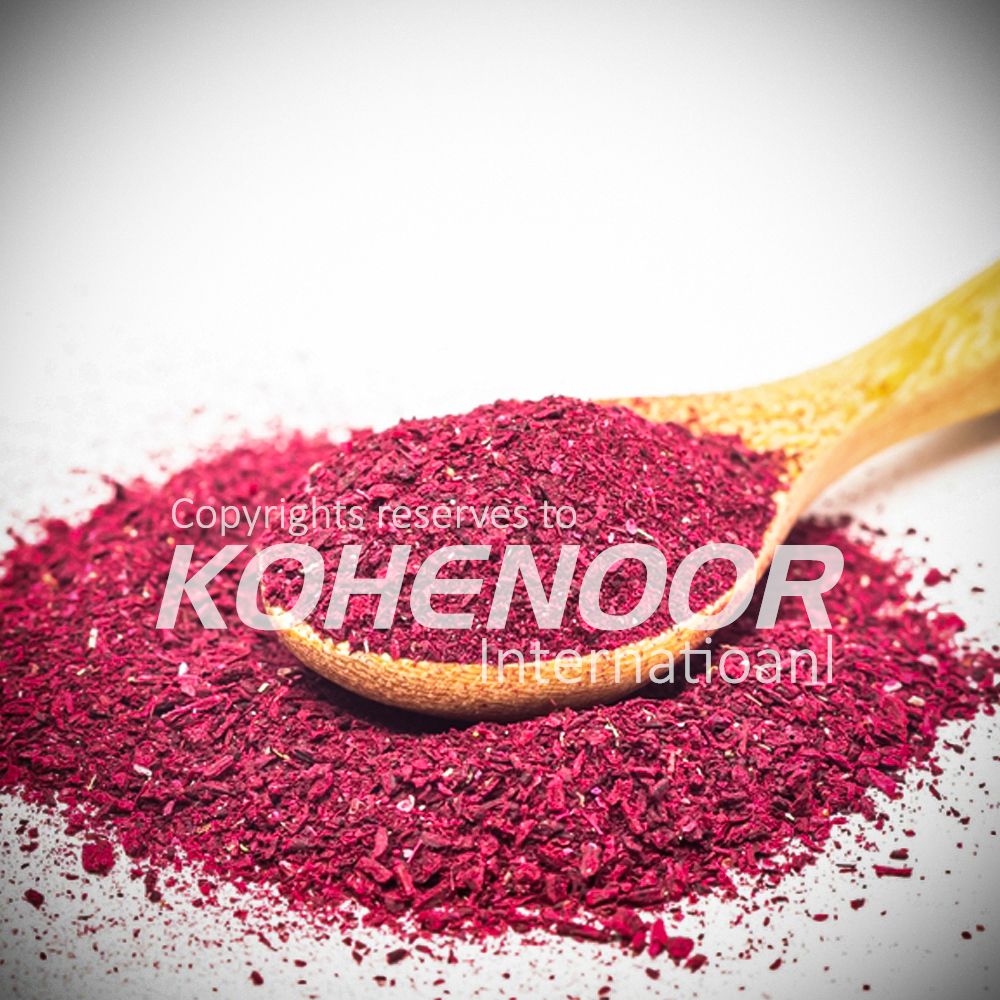
Rosa Damascena in Traditional Medicine
For thousands of years, dried rose petals have been a cornerstone of herbal medicine across multiple healing traditions. The Rosa damascena variety cultivated by Kohenoor International contains potent bioactive compounds including tannins, polyphenols, and volatile oils that support comprehensive wellness and healing protocols.
Our pharmaceutical-grade dried rose petals are specifically cultivated, harvested, and processed to maintain maximum efficacy for herbal medicine applications. Each petal contains the full spectrum of beneficial compounds traditionally harnessed by healers across Ayurveda, Unani, Traditional Chinese Medicine (TCM), and Persian medicine systems.
Historical Use Across Medical Traditions
Ayurvedic Medicine
In Ayurveda, Rosa damascena petals are highly valued for their cooling (cooling) properties. The petals are used to balance excess Pitta dosha, support digestive health, and promote emotional equilibrium. Traditional Ayurvedic practitioners incorporate rose petal infusions into formulations for hormonal balance and skin health.
Unani Medicine
Unani medicine recognizes rose petals as a powerful cooling and drying substance ideal for treating inflammatory conditions. Classical Unani practitioners prescribe dried roses for digestive disorders, skin conditions, and to enhance mental clarity. The petals are a key ingredient in many traditional Unani formulations.
Traditional Chinese Medicine (TCM)
In TCM, rose petals are considered gentle tonics for the heart and liver systems. They are used to support emotional wellness, improve circulation, and promote the free flow of Qi. Rose petal tea is a common preparation in TCM wellness protocols.
Persian & Islamic Medicine
Persian medicine traditions have long celebrated rose petals as a universal remedy. The petals are used to support beauty, health, and spiritual wellness. Persian physicians valued roses for their versatility in addressing both physical and emotional imbalances.
Key Medicinal Properties of Rosa Damascena
Anti-Inflammatory
Natural polyphenols and tannins reduce inflammation in the digestive tract and throughout the body. Ideal for supporting inflammatory response and joint health.
Digestive Support
Traditionally used to soothe the stomach, improve digestion, and address bloating. The bitter compounds in rose petals stimulate digestive secretions.
Mood Enhancement
Rose petal compounds support emotional wellness and mental clarity. Known to promote relaxation and emotional balance through aromatic and internal use.
Cooling Properties
In traditional medicine systems, rose is classified as a cooling substance ideal for balancing heat in the body. Supports healthy temperature regulation and skin wellness.
Skin & Complexion
Promotes healthy, radiant skin through both internal and topical applications. Contains compounds that support skin elasticity and clarity.
Antioxidant Rich
High in antioxidants that combat free radicals and support cellular health. Protects tissues from oxidative stress and premature aging.
Cardiovascular Support
Traditionally used to support heart health and circulation. The flavonoids in rose petals promote healthy blood flow and cardiovascular function.
Sleep Quality
Rose petal infusions support relaxation and restful sleep. Traditionally valued as a gentle nervine tonic for calming the mind.
HS Code 121190: Classification for Herbal & Pharmaceutical Applications
Understanding HS Code 121190
HS Code 121190 is the international harmonized tariff code for "Dried medicinal and aromatic plants not containing alkaloids, excluding those in Chapter 12, not elsewhere specified or included." This classification specifically encompasses pharmaceutical-grade dried rose petals and is essential for:
- International trade compliance and customs clearance
- Verification of pharmaceutical-grade quality standards
- Herbal medicine manufacturers and formulators
- Regulatory compliance with medicinal plant standards
- Bulk pharmaceutical and herbal supplement suppliers
Kohenoor International's dried Rosa damascena petals are certified for HS Code 121190 classification, ensuring full compliance with international pharmaceutical and herbal medicine standards.
Pharmaceutical-Grade Specifications
Our Rosa damascena petals meet stringent pharmaceutical-grade standards required by herbal medicine manufacturers and traditional medicine practitioners.
| Specification | Standard/Value | Significance |
|---|---|---|
| Botanical Identity | Rosa damascena Mill. | Authentic Damascus rose, verified through morphological and chemical analysis |
| Moisture Content | 8-12% | Ensures stability, prevents mold growth, maintains shelf life |
| Total Ash | ≤8% | Indicates purity and absence of soil/mineral contamination |
| Acid Insoluble Ash | ≤2% | Confirms absence of silica and foreign mineral matter |
| Foreign Matter | ≤1% | Ensures product purity and absence of contaminating plant material |
| Total Phenolics | 12-18% (gallic acid equivalent) | Confirms bioactive compound potency and therapeutic efficacy |
| Microbial Testing | Complies with USP/Ph. Eur. standards | Absence of pathogenic bacteria (E. coli, Salmonella, etc.) |
| Pesticide Residues | Below detectable limits | Free from synthetic pesticides and harmful chemicals |
| Heavy Metals | Complies with WHO limits | Safe levels of Lead, Cadmium, Mercury, Arsenic |
| Aflatoxins | ≤5 ppb | Meets pharmaceutical safety standards |
| Flavor & Aroma | Authentic rose fragrance (ISO 4914) | Indicates preservation of volatile oils and potency |
| Color | Deep red to burgundy | Indicates proper harvest timing and preservation of anthocyanins |
Certification: All specifications are verified through third-party laboratory analysis. Certificates of Analysis available upon request.
Kohenoor Products for Herbal Medicine Applications
Whole Dried Petals
Premium whole Rosa damascena petals ideal for traditional infusions, decoctions, and herbal tea preparations. Maximum potency and full bioactive profile.
Applications: Herbal teas, infusions, topical soaks, ceremonial uses
Rose Petal Powder
Fine rose petal powder with concentrated potency. Ideal for encapsulation, herbal blends, and formulations. Maintains full nutritional profile in convenient form.
Applications: Capsules, tablets, herbal formulations, smoothies
Rose Water Extract
Pure rose water and concentrated rose extract for cosmeceutical and herbal tonic applications. Retains volatile oils and water-soluble compounds essential for traditional use.
Applications: Tonics, cosmeceuticals, herbal beverages, skincare
Research & Evidence
Modern scientific research continues to validate the traditional uses of Rosa damascena in herbal medicine:
Anti-Inflammatory & Antioxidant Activities
Peer-reviewed studies demonstrate that Rosa damascena petals contain significant levels of polyphenols and flavonoids that exhibit strong anti-inflammatory and antioxidant properties. These compounds reduce inflammatory markers in vitro and support cellular protection against oxidative stress.
Digestive Health Support
Research published in ethnopharmacology journals confirms traditional uses of rose petals for digestive support. Studies show that rose preparations can improve gastric function, reduce inflammation in the digestive tract, and support healthy microbial balance.
Mood & Emotional Wellness
Clinical studies demonstrate that Rosa damascena aromatherapy and internal use support emotional wellness, reduce stress responses, and promote relaxation. The compounds in rose petals interact with neurotransmitter systems to support mental clarity and emotional balance.
Skin Health & Collagen Support
Dermatological research shows that rose petal compounds support skin hydration, elasticity, and collagen production. Both topical and internal use support skin health and promote a youthful complexion through antioxidant and anti-inflammatory mechanisms.
Cardiovascular Function
Cardiovascular research indicates that the flavonoids and polyphenols in dried rose petals support healthy blood flow, endothelial function, and blood pressure regulation. Traditional use for heart health is supported by modern pharmacological evidence.
Sleep Quality & Relaxation
Sleep research demonstrates that rose petal preparations can enhance sleep quality and reduce sleep latency. The mild sedative properties and nervous system support documented in traditional medicine are validated by modern sleep science studies.
Frequently Asked Questions
Kohenoor International supplies pharmaceutical-grade Rosa damascena petals that meet stringent quality standards for herbal medicine applications. Our petals are cultivated without synthetic pesticides, dried using traditional methods to preserve bioactive compounds, and tested for potency, purity, and microbial safety. Each batch undergoes rigorous third-party laboratory analysis to verify botanical identity, total phenolic content, moisture levels, and absence of contaminants. Our petals are certified for use in Ayurvedic, Unani, and traditional medicine formulations, and comply with HS Code 121190 classification for pharmaceutical-grade medicinal plants.
Yes, Rosa damascena petals have been used for centuries in traditional medicine to support digestive health and reduce inflammation. The natural tannins and polyphenols in our dried rose petals possess demonstrated anti-inflammatory properties that can soothe the digestive tract, reduce bloating, support healthy gastric acid balance, and promote overall gut health. Modern research validates these traditional uses, confirming that rose petal compounds reduce inflammatory markers and support digestive function. Many herbal medicine practitioners incorporate rose petal infusions into protocols for inflammatory bowel conditions and general digestive wellness.
HS Code 121190 is the international Harmonized System code that classifies dried medicinal and aromatic plants for pharmaceutical and herbal applications. This classification is essential for international trade as it confirms that products meet pharmaceutical-grade standards and regulatory requirements. When dried rose petals are classified under HS Code 121190, it verifies that they comply with global pharmaceutical and herbal medicine standards, ensuring customs clearance and regulatory acceptance. Kohenoor International's products are certified for this classification, confirming their suitability for herbal medicine manufacturers, pharmaceutical companies, and traditional medicine practitioners worldwide.
The choice depends on your specific application and formulation needs. Whole dried petals are ideal for traditional herbal teas, infusions, and ceremonial preparations where the aesthetic and sensory properties enhance the healing experience. Rose petal powder offers concentrated potency for capsules, tablets, and formulations requiring consistent dosing and shelf stability. Rose water extract is perfect for cosmeceuticals, herbal tonics, and applications where the water-soluble compounds and aromatic properties are essential. Kohenoor provides all three forms, each manufactured to pharmaceutical-grade standards and maintaining full bioactive efficacy. Consult with your formulation specialist or herbal medicine practitioner to determine which form best suits your application.
Ready to Source Pharmaceutical-Grade Rose for Your Herbal Medicine Products?
Contact Kohenoor International to discuss wholesale quantities, custom specifications, and certification requirements for your herbal medicine, supplement, or pharmaceutical applications.
Our Premium Rose Products for Export
Kohenoor International exports four core Rosa damascena product lines worldwide: