🇮🇶 Iraq · Dried Rose Petals · ورد مجفف للعراق
Dried Rose Petals Exporter to Iraq — for Baghdad, Basra, Najaf, Karbala, Mosul & Erbil
Pakistan's bulk supplier of food-grade Rosa damascena dried petals to Iraqi sweets manufacturers (klaicha, baklawa, ma'amoul), Najaf and Karbala ceremonial rose water producers for Ashura and the Arba'een Pilgrimage, Baghdad and Mosul attar perfumery houses, and Kurdistan Region cosmetic brands. HALAL certified, HACCP, ISO 22000, COSQC-aware documentation. FOB Karachi → Umm Qasr in 8–11 days. MOQ 100 kg. Free samples to Iraqi addresses.
Iraq · Dried Rose Petals Summary
| Product | Rosa damascena food-grade A1 dried petals · ورد مجفف درجة غذائية |
| Origin | Hyderabad, Sindh, Pakistan |
| Destination Ports | Umm Qasr (primary) · Khor Al-Zubair · Mersin TR + Ibrahim Khalil border (Kurdistan) |
| Sea Transit | 8–11 days Karachi → Umm Qasr |
| Air Transit | 2–3 days to Baghdad (BGW) / Erbil (EBL) |
| MOQ | 100 kg standard · 50 kg first-order trial |
| FOB Karachi (500 kg) | USD 7.20–8.00 / kg Grade A1 |
| CIF Umm Qasr (500 kg) | USD 8.50–9.80 / kg landed |
| Iraqi HS Code | 0603.90.00 |
| Duty | 5% basic + reconstruction levy on CIF |
| Compliance | COSQC · SASO-compatible · HALAL · HACCP · ISO 22000 · Phytosanitary |
| Payment | T/T 30/70 · Trade Bank of Iraq L/C · USD |
| Languages | English · العربية · کوردی |
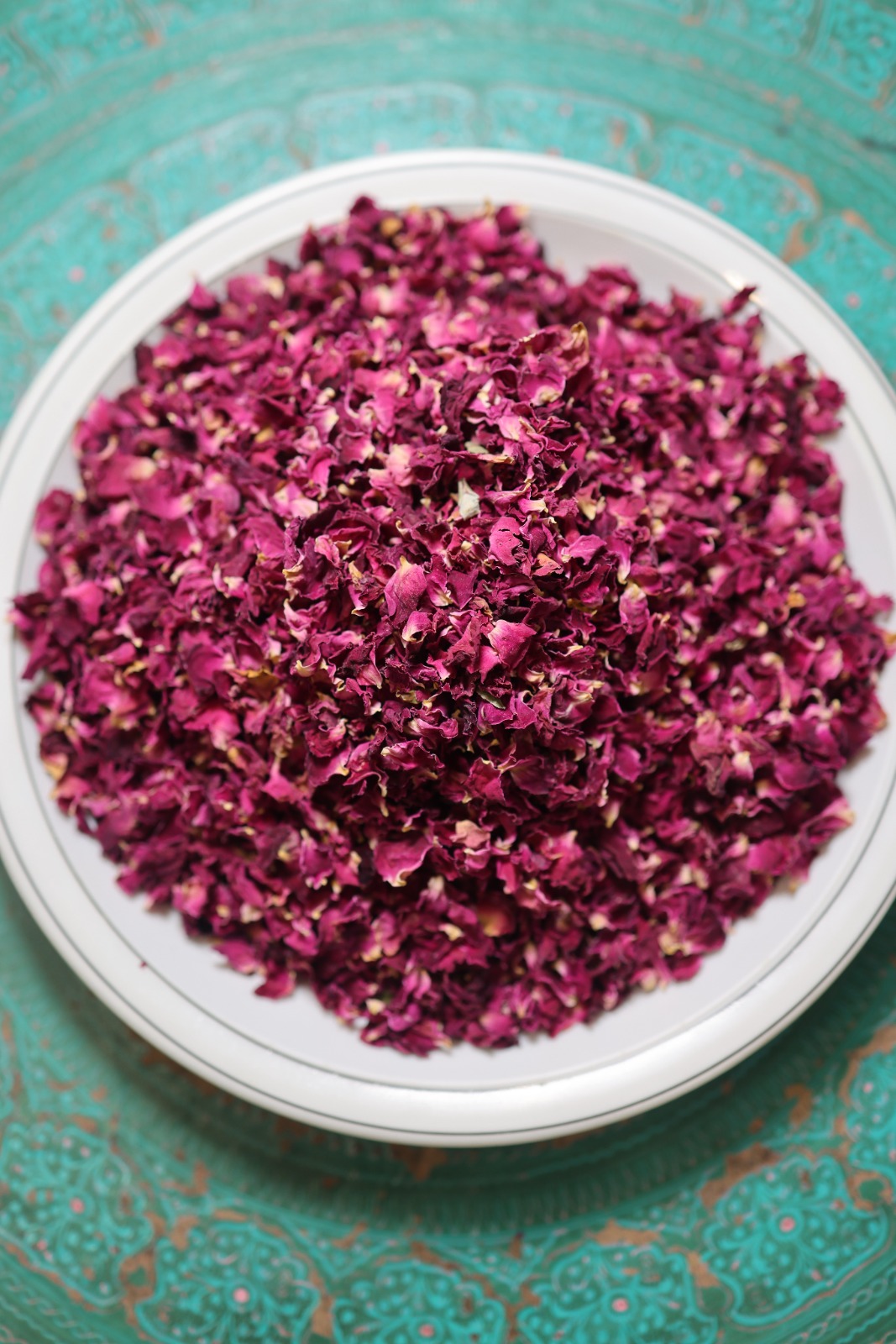
The Iraqi Rose Petals Import Market in 2026
Iraq is one of the Middle East's most underserved commercial markets for premium dried Rosa damascena — and one of the most opportunity-rich. Annual Iraqi imports of dried rose petals and rose water exceed 1,800 metric tonnes across food, religious-ceremonial, and traditional medicine applications. Iran has historically dominated Iraqi rose supply due to geographic and cultural proximity, but supply-chain reliability concerns, banking constraints, and price predictability have shifted Iraqi buyer preference toward Pakistani Rosa damascena, which now accounts for an estimated 30-40% of Iraqi imports and growing.
The Iraqi market splits into three distinct buyer segments, each with unique demand cycles:
- Religious-ceremonial supply — Najaf, Karbala, Kadhimiya, Samarra. Rose water for Ashura, Arba'een Pilgrimage (one of the world's largest religious gatherings), Imam Hussein and Imam Abbas Shrine blessings, and pilgrim distribution. Demand spikes dramatically in Muharram-Safar (Islamic months 1-2).
- Food and confectionery — Baghdad, Basra, Mosul sweets manufacturers producing klaicha (date-and-rose cookies for Eid), baklawa, ma'amoul, mahalabia (rose milk pudding), and rose syrup. Peak demand: Ramadan, Eid al-Fitr, Eid al-Adha.
- Perfumery, cosmetics & traditional medicine — Baghdad attar houses, Mosul perfumers (where stable), Kurdistan Region cosmetic manufacturers in Erbil and Sulaymaniyah, and Unani traditional medicine practitioners. Steady year-round demand with no strong seasonality.
For commercial buyers, Iraq presents a substantial opportunity but with operational complexity that requires an experienced exporter: banking constraints (Iraqi commercial banking relationships are improving but require correspondent-bank L/Cs), COSQC standards compliance (Iraq is not in the GCC unified tariff regime — independent customs and standards framework), Umm Qasr Port congestion during peak seasons (manageable with 2-week lead times), and Kurdish vs federal customs separation (KRG operates partially independent regime). Kohenoor International handles all of these with the documentation packet pre-prepared for Iraqi clearance.
Top Applications of Dried Rose Petals in Iraq
- Najaf and Karbala ceremonial rose water for Ashura and Arba'een. The Arba'een Pilgrimage — 40 days after Ashura, with 15-22 million Shia pilgrims walking the 80km from Najaf to Karbala — is the largest annual gathering of humans on Earth. Rose water (ماء الورد) is distributed in massive quantities along the pilgrimage route, used in mawkibs (free hospitality stations), provided to pilgrims for ritual purification, sprayed during dhikr ceremonies, and used in the blessing of the Imam Hussein (Sayyid al-Shuhada) and Imam Abbas (Bab al-Hawaij) shrines. Iraqi rose water producers serving this religious supply chain source bulk Pakistani Rosa damascena petals in 5-100 metric tonne consignments depending on production scale.
- Klaicha (كليجة) — Iraqi Eid cookies. The traditional Iraqi cookie eaten during Eid al-Fitr and Eid al-Adha is filled with a paste of dates blended with finely chopped dried rose petals, sometimes cardamom and nigella seed, sealed inside semolina-wheat dough. Klaicha production in Baghdad, Basra, Mosul and across Iraqi Kurdistan scales massively in the weeks before Eid. Pakistani food-grade Rosa damascena petals are the preferred bulk supply because of consistent food-grade quality, HALAL certification, and competitive pricing.
- Baklawa, ma'amoul and Iraqi-Levantine confectionery. Iraqi sweet houses (baklawa shops in Baghdad's Karrada district, Basra confectionery makers, Mosul and Kurdish sweet manufacturers) use rose water in baklawa syrups, ma'amoul filling, qatayef, basbousa, mahalabia, and rose-petal jam for premium gift boxes. Standard ordering volumes 100-500 kg per manufacturer per month, scaling during Ramadan.
- Iraqi attar and oud perfumery. Traditional Baghdad attar houses and Mosul perfumers source bulk dried Rosa damascena buds and petals to blend with oud (Cambodian and Indonesian preferred), sandalwood, musk, amber and Iraqi saffron for alcohol-free attars. The Iraqi market favours stronger, more concentrated fragrance profiles than UAE or Saudi attars.
- Kurdistan Region cosmetic manufacturing. Erbil and Sulaymaniyah cosmetic brands serving Kurdistan Regional Government markets and exporting to Iran, Turkey and Europe use rose petal powder (mesh 80-100) and rose water in skincare formulations, bath products, traditional Kurdish hammam products and natural soap.
- Iraqi traditional medicine (Unani, Bedouin). Rose petals and rose petal powder are used in Iraqi Unani prescriptions for digestive support, cardiovascular wellness, and emotional health. Bedouin traditional medicine in Iraq's western Anbar region uses rose preparations for skin conditions and respiratory issues.
- Iraqi wedding industry (peak October-March). Iraqi wedding planners in Baghdad, Erbil, Basra and Najaf use confetti-grade biodegradable rose petals for ceremonial entrance, bridal couch (kosha) decoration, and traditional Iraqi wedding rituals. Iraqi-Kurdish weddings have particularly strong floral traditions.
- Hospitality and pilgrim accommodation. Hotels in Najaf (Hilton Najaf, Crystal Najaf, Rotana Hotels) and Karbala (Burj al-Baba, Imam Hussein Hotel chain, Rotana, Wyndham) source bulk rose petals and rose water for amenity programmes targeting pilgrim guests.
- Iraqi tea blending. Traditional Iraqi black tea (chai) is sometimes blended with rose buds and cardamom for premium SKUs sold in Baghdad's Shorja market and Basra spice souks.
Iraqi Customs, COSQC Standards & Documentation
Dried rose petals imported into Iraq classify under HS Code 0603.90.00. Iraq is not a member of the GCC unified tariff regime — Iraqi customs operate independently. Standard customs duty is 5% basic plus a reconstruction levy applied on CIF value. The Iraqi Customs Authority uses the ASYCUDA electronic platform for clearance at Umm Qasr, Khor Al-Zubair, and Baghdad airports.
Required documentation packet for Iraqi customs:
- Commercial Invoice in English and Arabic, signed and stamped
- Packing List with carton count, net/gross weight, lot ID, harvest date, COSQC product code
- Bill of Lading consigned to the Iraqi importer's name and commercial license number
- Phytosanitary Certificate from Pakistan's Department of Plant Protection (DPP)
- Certificate of Origin attested by Pakistan Chamber of Commerce — Iraqi Embassy authentication recommended for high-value shipments
- HACCP and ISO 22000 certificates of the exporter's processing facility
- HALAL certificate from a recognised Islamic certification body (essential for any product entering the religious-ceremonial supply chain)
- Batch Certificate of Analysis (CoA) with moisture, foreign matter, microbiology, pesticide residue
- COSQC compliance declaration — Iraqi Standards conformity
- Iraqi importer's commercial license, tax registration, Ministry of Health food import permit
- For Kurdistan Region buyers: additional KRG customs declaration and Kurdish chamber endorsement
Shipping Karachi → Iraq: Routes & Costs
Rates indicative for 2026, subject to fuel surcharge, peak season surcharge (especially during Arba'een and Ramadan shipping windows), and exchange rate fluctuation. Inland transit from Umm Qasr to Baghdad 1-2 days by bonded truck; to Najaf/Karbala 1 day; to Mosul/Erbil 2-3 days.
Premium Rose Products for Iraqi Buyers
- Dried Rose Petals (Food Grade A1) — Rosa damascena, hand-selected, deep red colour. For Iraqi sweets, klaicha, baklawa. MOQ 100 kg.
- Dried Rose Buds (Tea Grade & Perfumery Grade) — Whole hand-harvested buds for Iraqi attar perfumery and premium tea. MOQ 50 kg.
- Rose Petal Powder (Mesh 80, 100) — Vacuum-sealed cosmetic grade for Kurdistan skincare manufacturers. MOQ 100 kg.
- Rose Water (Steam-Distilled, Bulk Drums) — For Najaf and Karbala ceremonial use, Iraqi sweets, Iraqi hospitality programmes. 1L glass, 5L jerry cans, 25L drums, 200L food-safe HDPE drums. MOQ 200 L.
Frequently Asked Questions — Iraqi Buyers
What is the FOB Karachi price for dried rose petals delivered to Iraq?
Grade A1 food-grade FOB Karachi: USD 8.50-9.50/kg at 100-499 kg, USD 7.20-8.00/kg at 500-999 kg, USD 6.20-7.00/kg at 10,000 kg+ annual contract. CIF Umm Qasr adds USD 1,100-1,400 for 40-ft container. CIF Umm Qasr landed at 500 kg first order ~USD 8.50-9.80/kg before Iraqi duties.
How long does shipping from Karachi to Umm Qasr take?
Sea: 8-11 days transit + 3-5 days loading/documentation. Total order-to-Baghdad: 18-26 days. Air to BGW/EBL: 2-3 days for samples.
Which Iraqi port is best?
Umm Qasr for 90% of imports. Khor Al-Zubair for bulk cargo. For Kurdistan: Mersin (TR) + Ibrahim Khalil border, 22-28 days total. Air via BGW or EBL for samples.
What Iraqi customs documents are required?
Bilingual Commercial Invoice, Packing List, BL, Phytosanitary, Certificate of Origin attested by Pakistan Chamber, HACCP+ISO 22000, HALAL, batch CoA, COSQC declaration, importer's commercial license + Ministry of Health permit. Duty 5% basic + reconstruction levy.
How are rose petals used in Iraqi klaicha?
Klaicha is the traditional Iraqi Eid cookie filled with a paste of dates blended with chopped rose petals, cardamom and sometimes nigella. Bulk klaicha production in Baghdad/Basra/Mosul scales massively before Eid al-Fitr and Eid al-Adha. Pakistani food-grade Rosa damascena is the standard bulk supply.
How are rose petals used during Ashura and Arba'een?
Steam-distilled rose water plays a central role in Shia commemorations of Imam Hussein's martyrdom. During Ashura (10 Muharram) and the Arba'een Pilgrimage (40 days later, 15-22 million pilgrims walking Najaf-Karbala), rose water is distributed at mawkibs, used for blessing the Imam Hussein and Imam Abbas shrines, and for pilgrim refreshment. Najaf/Karbala distillers source bulk Pakistani Rosa damascena petals in 5-100 MT consignments.
Do you supply Kurdistan Region (Erbil, Sulaymaniyah, Duhok) buyers?
Yes. KRG operates separate customs from federal Iraq. Two routing options: (1) Umm Qasr + federal Iraqi transit, or (2) Mersin Port + Ibrahim Khalil border. Same product specs, HALAL, schedule. Documentation available in English, Arabic, and Kurdish Sorani.
What MOQ do you accept for first-time Iraqi buyers?
100 kg petals, 50 kg buds, 100 kg powder, 200 L rose water standard. First-order trial 50 kg petals or 25 kg buds with prepayment. Free 50-100g samples ship within 24-48 hours; buyer covers DHL/FedEx (USD 80-130 to Iraq).
What payment methods do Iraqi buyers use?
T/T 30/70, irrevocable L/C at sight from Iraqi banks (Trade Bank of Iraq, Bank of Baghdad, Rafidain, Rasheed, Cihan Bank in Kurdistan), or CAD for established repeat customers. Recommend confirmed L/C via international correspondent banks (HSBC, Standard Chartered) due to Iraqi banking history. Payment in USD.
Do Najaf or Karbala rose water producers buy directly from Pakistan?
Yes, increasingly so. Iranian sourcing dominated historically, but supply reliability, banking constraints and price predictability have shifted Iraqi religious-supply distillers toward Pakistani Rosa damascena. Bulk consignments 5-100 MT depending on production scale, peaking before Arba'een.
What are the peak demand seasons for Iraq?
(1) Ramadan + Eid al-Fitr — sweets, gifting, iftar rose water; (2) Eid al-Adha — klaicha production; (3) Muharram + Ashura — religious supply ramping; (4) Arba'een Pilgrimage (40 days after Ashura) — peak ceremonial rose water consumption, 15-22 million pilgrims. Wedding season Oct-Mar secondary. Place orders 6-10 weeks before peaks.
What is COSQC and how does it compare to Saudi or UAE standards?
COSQC (Central Organization for Standardization and Quality Control) is Iraq's national standards body. Unlike GCC unified tariff (5%), Iraq operates independently. COSQC adopts Codex food standards but requires bilingual (EN+AR) labelling, origin marking, and Iraqi conformity declaration. Our documentation is COSQC-ready out of the box.
Do you supply Baghdad and Mosul attar perfumery?
Yes. Traditional Baghdad attar houses and Mosul perfumers source bulk dried Rosa damascena buds and petals to blend with oud (Cambodian, Indonesian), sandalwood, musk, amber, saffron. Vacuum-sealed buds preserve fragrance during 10-day Karachi-Umm Qasr transit.
Does Kurdistan Region use different rose terminology?
Kurdistan Region buyers use Arabic terminology (ورد دمشقي, ماء الورد) in commercial documentation. Kurdish Sorani conversational terms include گوڵی وەرد (gwlî werd — rose flower) and ئاوی گوڵ (awî gul — rose water). Our export desk corresponds in Arabic by default with Kurdish translation on request.
What is the difference between rose water for sweets vs ceremonial use?
Food-grade for sweets (klaicha, baklawa, mahalabia): HACCP-compliant, microbiologically clean, 1-3% in formulations. Ceremonial for Ashura/Arba'een: also food-safe, larger volumes, HALAL essential, some buyers request additional Najafi scholar verification. Same Pakistani Rosa damascena distillation, different order profiles.
Can I get a sample shipped to Baghdad or Erbil?
Yes. Free 50-100g sample sachets (or 500 mL rose water) ship via DHL/FedEx to any Iraqi city within 24-48 hours. Buyer pays courier (USD 80-130). For orders over USD 10,000, we absorb sample courier cost as goodwill.
Are HALAL certificates from Pakistan accepted in Iraq?
Yes. HALAL certificates from IFANCA, JAKIM, or equivalent bodies recognised by Iraq's Ministry of Health are accepted. For religious-supply customers (Najaf/Karbala distillers), additional verification from a Najafi scholar can be arranged on request.
Do you have Iraqi buyer references?
Yes, on NDA basis. Typical references: Baghdad sweet manufacturers, Basra traders, Najaf rose water producers, Erbil cosmetic manufacturers. Reference verification 2-3 business days to arrange.
Is there Pakistani Embassy support in Iraq?
Yes. Pakistan Embassy Baghdad and Consulate General Erbil support documentation attestation, dispute resolution, and trade promotion. Embassy attestation of CoO and HALAL provides additional buyer confidence for sensitive shipments.
What languages does your export team operate in?
English, Arabic (Iraqi dialect understood), Urdu, Kurdish Sorani (via translation partner). WhatsApp, email, Telegram. Standard reply under 4 hours business hours. Documentation in English+Arabic; Kurdish on request.
🇮🇶 جمهورية العراق · ورد مجفف
مصدّر بتلات الورد المجففة (Rosa damascena) إلى العراق — بغداد، البصرة، النجف، كربلاء، الموصل، أربيل
المُصدّر الباكستاني الرائد لـبتلات الورد المجففة درجة غذائية (ورد دمشقي) إلى مصانع الحلويات العراقية (الكليجة، البقلاوة، المعمول)، منتجي ماء الورد لشعائر عاشوراء وزيارة الأربعين في النجف وكربلاء، بيوت العطور التقليدية في بغداد، وشركات مستحضرات التجميل في إقليم كردستان (أربيل، السليمانية). شهادة حلال، HACCP، ISO 22000، وثائق متوافقة مع COSQC. الشحن من كراتشي إلى ميناء أم قصر خلال ٨–١١ يوماً. الحد الأدنى للطلب ١٠٠ كجم.
سوق استيراد الورد المجفف في العراق ٢٠٢٦
العراق من أكثر الأسواق التجارية فرصةً في الشرق الأوسط للورد الدمشقي الفاخر. تتجاوز الواردات السنوية من بتلات الورد المجففة وماء الورد ١٨٠٠ طن متري سنوياً عبر تطبيقات الأغذية والمناسبات الدينية والطب التقليدي. هيمنت إيران تاريخياً على إمدادات الورد العراقية بسبب القرب الجغرافي والثقافي، لكن مخاوف موثوقية سلسلة التوريد والقيود المصرفية والقدرة على التنبؤ بالأسعار قد حوّلت تفضيل المستوردين العراقيين نحو الورد الدمشقي الباكستاني، الذي يمثّل الآن ٣٠-٤٠٪ من الواردات العراقية ومتنامي.
ينقسم السوق العراقي إلى ثلاث شرائح من المشترين، لكل منها دورات طلب فريدة:
- الإمداد الديني-الاحتفالي — النجف الأشرف، كربلاء المقدسة، الكاظمية، سامراء. ماء الورد لشعائر عاشوراء، زيارة الأربعين (أحد أكبر التجمعات الدينية في العالم)، تبريك مرقدَي الإمام الحسين والإمام العباس (عليهما السلام)، وتوزيع الزائرين. يرتفع الطلب بشدة في شهرَي محرم وصفر.
- الأغذية والحلويات — مصنّعو الحلويات في بغداد والبصرة والموصل لإنتاج الكليجة (بسكويت العيد بالتمر والورد)، البقلاوة، المعمول، المهلبية، وشراب الورد. الذروة: رمضان وعيد الفطر وعيد الأضحى.
- العطور والتجميل والطب التقليدي — بيوت العطور البغدادية، شركات مستحضرات التجميل في أربيل والسليمانية، وممارسو الطب اليوناني التقليدي. طلب مستقر على مدار العام.
أهم استخدامات بتلات الورد المجففة في العراق
- ماء الورد لشعائر عاشوراء وزيارة الأربعين. زيارة الأربعين — ٤٠ يوماً بعد عاشوراء، مع ١٥-٢٢ مليون زائر شيعي يمشون ٨٠ كم من النجف إلى كربلاء — هي أكبر تجمع سنوي للبشر على وجه الأرض. يُوزَّع ماء الورد بكميات هائلة على طول طريق الزيارة، يُستخدم في المواكب (مراكز الضيافة المجانية)، يُقدَّم للزوار للتطهير الطقسي، يُرشّ خلال مراسم الذكر، ويُستخدم في تبريك مرقدَي سيد الشهداء والعباس باب الحوائج. منتجو ماء الورد العراقيون الذين يخدمون هذه السلسلة يستوردون بتلات الورد الدمشقي الباكستانية بشحنات ٥-١٠٠ طن متري.
- الكليجة العراقية (بسكويت العيد). الكليجة هي البسكويت العراقي التقليدي المستهلَك في عيد الفطر وعيد الأضحى، محشو بمعجون من التمر مخلوطاً ببتلات الورد المفرومة، أحياناً مع الهيل وحبة البركة، مغلَّف داخل عجين السميد-القمح. يتوسّع إنتاج الكليجة في بغداد والبصرة والموصل وكردستان بشكل هائل في الأسابيع التي تسبق العيد. بتلات الورد الدمشقي الباكستانية درجة غذائية هي الإمداد القياسي للكميات الكبيرة.
- البقلاوة والمعمول والحلويات العراقية-الشامية. بيوت الحلويات العراقية (محلات البقلاوة في الكرادة ببغداد، صانعو الحلويات في البصرة، الكرد) يستخدمون ماء الورد في شراب البقلاوة، حشوة المعمول، القطايف، البسبوسة، المهلبية، ومربى الورد لعلب الإهداء الفاخر.
- العطور التقليدية في بغداد والموصل. بيوت العطور التقليدية البغدادية والموصلية تشتري بتلات وبراعم الورد الدمشقي بالجملة لمزجها مع العود الكمبودي والإندونيسي، خشب الصندل، المسك، العنبر، والزعفران العراقي للعطور الكحولية المجانية.
- صناعة مستحضرات التجميل في إقليم كردستان. العلامات التجارية في أربيل والسليمانية تخدم أسواق حكومة إقليم كردستان وتصدّر إلى إيران وتركيا وأوروبا، تستخدم مسحوق بتلات الورد وماء الورد في تركيبات العناية بالبشرة والمنتجات الحمامية والصابون الطبيعي.
- الطب التقليدي العراقي. يُستخدم الورد في الوصفات اليونانية العراقية لدعم الجهاز الهضمي والصحة القلبية والوعائية والصحة العاطفية. الطب البدوي في الأنبار يستخدم تحضيرات الورد للأمراض الجلدية.
- صناعة الأعراس العراقية. مخططو الأعراس في بغداد وأربيل والبصرة والنجف يستخدمون الكونفيتي القابل للتحلل من بتلات الورد للزخارف الاحتفالية. ذروة الموسم أكتوبر-مارس.
- الفندقة وإقامة الزوار. فنادق النجف (هيلتون، كريستال، روتانا) وكربلاء (برج بابا، سلسلة الإمام الحسين، روتانا، ويندهام) تشتري بتلات الورد وماء الورد بالجملة لبرامج الضيافة الموجَّهة للزوار.
الجمارك العراقية ومعايير COSQC والوثائق
تُصنّف بتلات الورد المجففة المستوردة إلى العراق تحت رمز HS ٠٦٠٣.٩٠.٠٠. العراق ليس عضواً في نظام التعريفة الموحدة لدول مجلس التعاون الخليجي. تشغّل الجمارك العراقية بشكل مستقل. الرسوم الجمركية المعتادة ٥٪ أساسي بالإضافة إلى ضريبة إعادة الإعمار المطبَّقة على القيمة CIF. تستخدم هيئة الجمارك العراقية منصة ASYCUDA الإلكترونية للتخليص.
حزمة الوثائق المطلوبة للتخليص الجمركي العراقي:
- الفاتورة التجارية بالإنجليزية والعربية، موقّعة ومختومة
- قائمة التعبئة مع عدد الكراتين، الوزن الصافي/الإجمالي، رقم الدفعة، تاريخ الحصاد، رمز المنتج COSQC
- بوليصة الشحن باسم المستورد العراقي ورقم الترخيص التجاري
- شهادة الصحة النباتية من إدارة حماية النباتات الباكستانية (DPP)
- شهادة المنشأ مصدّقة من غرفة التجارة الباكستانية — يُنصح بتوثيق السفارة العراقية للشحنات عالية القيمة
- شهادات HACCP و ISO 22000
- شهادة الحلال من هيئة تصديق إسلامية معترف بها (ضرورية لأي منتج يدخل سلسلة الإمداد الديني)
- شهادة تحليل الدفعة (CoA)
- إعلان الامتثال للمعايير العراقية COSQC
- الترخيص التجاري للمستورد العراقي، التسجيل الضريبي، تصريح وزارة الصحة لاستيراد الأغذية
- لمستوردي إقليم كردستان: إعلان الجمارك الإضافي لحكومة الإقليم وتأييد غرفة التجارة الكردية
Article by Usman Hayat, Export Director, Kohenoor International. Iraqi buyer questions in English, Arabic, or Kurdish Sorani: WhatsApp +92 310 4929292 · export@kohenoorint.com