Buyer Guide · Kohenoor International
Rose Water Bulk Wholesale: From Petal to Bottle, the Distillation Process Explained
How commercial rose water hydrosol is produced, the difference between steam and solvent extraction, and what bulk buyers need to know about purity, packaging, and shelf life.
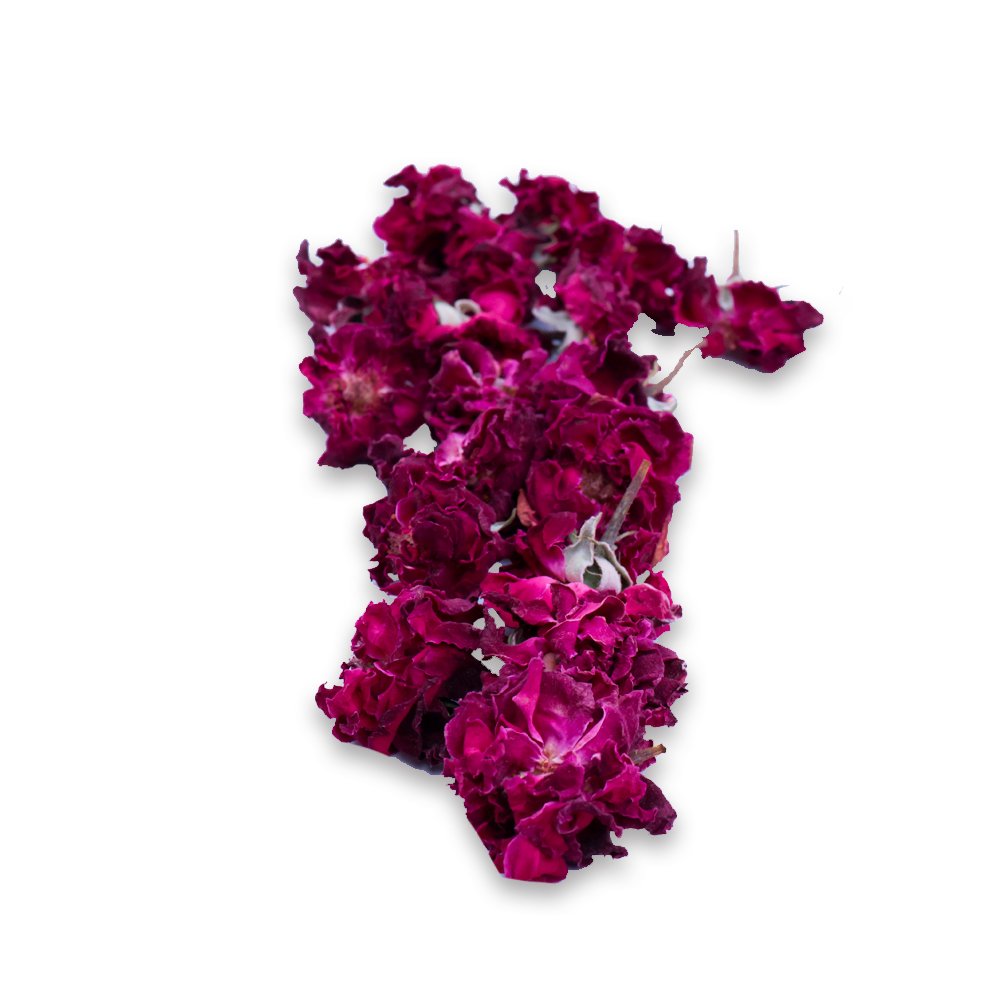
Rose water — properly called rose hydrosol — is one of the oldest distillates in human cosmetic and culinary history. The first documented industrial-scale production was in 9th century Persia. The process today is largely unchanged: fresh Rosa damascena petals + clean water + controlled steam = a fragrant aqueous distillate.
This guide covers what bulk buyers — cosmetic formulators, food brands, beverage manufacturers, traditional medicine brands — should understand about commercial rose water before placing a 200L drum order.
What's in This Guide
Steam Distillation vs Solvent Extraction — Why It Matters
Two main routes to extract rose compounds:
Steam distillation (our method): Fresh petals + water heated to 100°C → steam rises through petals → cooled vapor condenses → two outputs: rose essential oil (top layer, sold separately) + rose hydrosol (water phase, the "rose water"). 100% water-soluble, food-safe, no chemical residue. Yields about 3-5 liters of hydrosol per kg of fresh petals.
Solvent extraction (industrial perfumery only): Petals soaked in hexane or other solvents → solvent evaporated → "rose absolute" remains. Higher oil yield but solvent residue makes it cosmetic-grade only, not food-safe.
For food, beverage, and ingestible cosmetic use, only steam-distilled hydrosol is acceptable.
Purity Standards for Commercial Rose Water
| Parameter | Premium Spec | Standard Spec |
|---|---|---|
| pH | 4.5-5.5 | 4.0-6.0 |
| Essential oil content | 250-450 ppm | 150-250 ppm |
| Citronellol + geraniol | 35-55% of oil profile | 20-35% |
| Alcohol content | 0% (true hydrosol) | 0-1% (some commercial blends) |
| Microbial load | TPC < 100 CFU/mL | TPC < 1,000 CFU/mL |
| Heavy metals (lead) | < 0.05 mg/L | < 0.1 mg/L |
Packaging for Bulk Export
- 200L food-grade HDPE drums — most common for ocean freight
- 25L jerry cans — used for smaller buyers and intra-region freight (GCC, South Asia)
- 1L PET bottles — for buyers re-packaging into retail; minimum order 500L
- 5L food-grade pouches — for industrial bakery and gulkand manufacturers
All packaging is food-contact safe and complies with EU food contact regulations.
Shelf Life and Storage
Properly produced rose hydrosol with pH 4.5-5.5 and no preservatives has a shelf life of 12-15 months when stored at 5-15°C in opaque packaging. Higher temperatures or light exposure accelerates oxidation and reduces shelf life to 6-8 months. For cosmetic formulations requiring extended preservation, food-grade preservatives (e.g., 0.1% potassium sorbate) extend shelf life to 24-30 months.
Pricing Indicators for 2026
FOB Karachi prices for bulk Pakistani Rosa damascena rose water:
- Premium steam-distilled, 200L drum: $4.50-6.20/L
- Standard commercial grade, 200L drum: $3.20-4.50/L
- 25L jerry cans: $3.80-5.00/L (premium retail rebottle quality)
- Concentrated hydrosol (3x essential oil content): $12-18/L (specialty)
Volume tiers and annual contract pricing 12-20% below spot.
Applications and Buyer Profiles
- Cosmetic manufacturers: Use rose water as a base ingredient in toners, mists, and facial cleansers. Typical formula has 60-85% rose hydrosol.
- Food and beverage: Middle Eastern desserts (baklava, basbousa), Indian sweets (gulab jamun, gulkand), beverage flavorings, ice cream.
- Traditional medicine: Unani, Ayurveda, and TCM formulations using rose water as a carrier or ingredient.
- Hospitality: Premium spa industry, hotel amenity bottles, religious ceremonial use.
Frequently Asked Questions
Is rose water the same as rose hydrosol?
Yes. Rose water (gulab jal) and rose hydrosol are the same product — the aqueous phase from steam distillation of fresh rose petals. The two names are used interchangeably in commercial trade.
Can rose water be used in food products?
Yes, food-grade rose water is widely used in Middle Eastern, South Asian, and Mediterranean cuisine. It must be produced via steam distillation only (no solvent residue) and meet local food safety standards. Our food-grade rose water is HACCP and ISO 22000 certified.
How is rose water different from rose essential oil?
Both are products of the same steam distillation. Essential oil is the lipophilic concentrate (1-3 mL per kg of fresh petals). Rose water is the aqueous phase carrying water-soluble aromatic compounds (3-5 L per kg of fresh petals). Essential oil is used in perfumery and aromatherapy; rose water in cosmetics, food, and beverages.
What's the alcohol content of pure rose water?
Pure steam-distilled rose hydrosol has 0% alcohol. Some commercial 'rose water' products in retail markets may contain 0-2% added alcohol as a preservative — read labels carefully. Our bulk rose water is alcohol-free.
Can rose water be used directly on skin?
Yes. Most rose water sold at cosmetic grade is safe for direct topical application. Sensitive skin users should patch-test first. Rose water is commonly used as a facial toner, hydrating mist, or post-cleansing rinse.
Do you offer organic-certified rose water?
Yes, project-based. EU organic and USDA NOP certified rose water requires a 6-9 month lead time and a 30-45% price premium over conventional. We work with certified organic Damask rose plantations in Balochistan for these requirements.
What is the typical MOQ for bulk rose water?
Our standard MOQ is 200L (one drum). For 25L jerry can orders, MOQ is 500L (20 jerry cans). For multi-drum container loads (40-100 drums per container), pricing tiers improve significantly.
How is rose water shipped internationally?
Sealed 200L HDPE drums on standard pallets, 4 drums per pallet, 5 pallets per 20-foot container = 4,000L per container. Air freight available for samples and urgent small orders. Ocean freight is the standard for commercial volume.
Does the rose water contain preservatives?
Standard product is preservative-free with a 12-15 month shelf life. On request, we can add 0.1% food-grade potassium sorbate which extends shelf life to 24-30 months without significantly affecting taste, aroma, or skin compatibility.
What is the difference between Pakistani and Iranian rose water?
Both are produced from Rosa damascena via steam distillation. Quality differences relate to essential oil yield (typically 5-10% higher in Iranian) and price (typically 35-50% higher in Iranian due to logistics and sanctions). For most commercial applications the difference is not detectable in finished product.
Article reviewed by Usman Hayat, Export Director at Kohenoor International — a multi-generational Rosa damascena export house operating since 1957 from Hyderabad, Pakistan & Officer VIC, Australia. Have a sourcing question? Reach us on WhatsApp.